People often quote "an eye for an eye" to justify payback. In the Law of Moses, though, the phrase worked the other way. Judges used it to limit revenge, making sure a penalty fit the crime and went no further (WEB Exodus 21:23-25).
In Matthew 5:38-42, Jesus takes up this familiar rule and speaks to how his followers respond to a slap, a lawsuit, forced labor, and a request for help. "An eye for an eye" is not a license for private revenge. It specifically describes a judicial limit that Jesus applies to the heart of his disciples in personal life. Maybe you've heard this passage used to suggest Christians must never defend themselves or seek justice. That reading goes further than the text allows, and it's worth slowing down to see what Jesus actually says.
This article explains the Old Testament law of retaliation, what Jesus asks of disciples in personal life, what "turn the other cheek" means, and how the passage relates to self-defense and the justice of the state. It is part of our ongoing Sermon on the Mount Explained: A Verse-by-Verse Guide.
Quick Answer: "An eye for an eye" is the Old Testament law of retaliation, a rule for judges that limited penalties to fit the crime (WEB Exodus 21:24; WEB Leviticus 24:20; WEB Deuteronomy 19:21). In Matthew 5:38-42, Jesus addresses personal conduct. His disciples give up private revenge, meet insult with patience, and give generously, leaving justice to God and lawful authority.
Definition: The phrase "an eye for an eye" in the Gospels represents the Old Testament judicial principle of proportionate punishment, which Jesus applies to personal meekness rather than courtroom penalty.
Key Scripture: "You have heard that it was said, 'An eye for an eye, and a tooth for a tooth.' But I tell you, don't resist him who is evil; but whoever strikes you on your right cheek, turn to him the other also." (WEB Matthew 5:38-39)
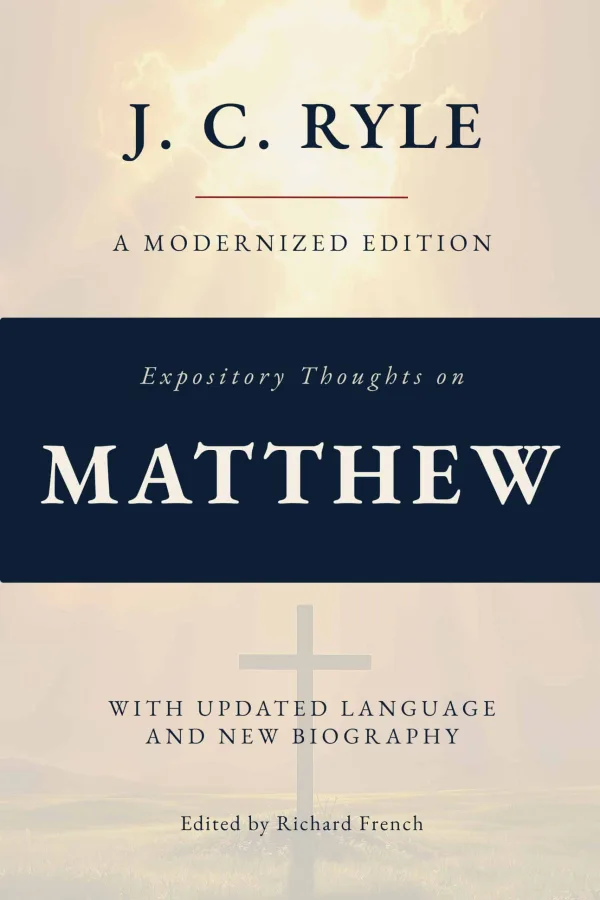
Key Evidence: As J. C. Ryle writes, "We ought to return good for evil, and blessing for cursing." (Expository Thoughts on Matthew, on Matthew 5:38-48).
Context: Matthew 5:38-42 is the fifth of six "You have heard... But I tell you" sayings, each one showing the heart behind the Law Jesus came to fulfill (WEB Matthew 5:17).
This passage takes a rule meant for courts and shows what it looks like lived out in the heart. Jesus is not canceling the principle of proportionate justice; he is exposing how his hearers had twisted it into a cover for personal grudges. The result is a picture of a disciple who releases the demand to get even and trusts God with the outcome. The sections below walk through the Old Testament background, what Jesus changes, what "turn the other cheek" means, and how this teaching relates to self-defense and civil justice.
Key Takeaways
- Personal conduct: Jesus addresses the disciple's private response to wrong, calling for a heart free from the demand to get even.
- Turn the other cheek: A right-cheek slap was a backhanded insult. Jesus calls his followers to absorb wounded honor without trading insult for insult.
- Four illustrations: The slap, the lawsuit, the compelled mile, and the request for a loan picture a generous heart, preparing for the command to love enemies (WEB Matthew 5:44).
- Justice still stands: Romans 13:1-4 affirms the state's role in punishing wrong, and Jesus himself named injustice when he was struck (WEB John 18:23).
What Does "An Eye for an Eye" Mean in the Old Testament?
"An eye for an eye" is the lex talionis, the law of equivalent retribution. The Hebrew phrase ayin tachat ayin means "eye in place of eye," and the text tells us exactly where this rule belongs: "But if any harm follows, then you must take life for life, eye for eye, tooth for tooth, hand for hand, foot for foot, burning for burning, wound for wound, and bruise for bruise." (WEB Exodus 21:23-25). This is case law for settling injuries in court, not a personal code for everyday grievances.
Deuteronomy makes the audience clear: "Your eyes shall not pity: life for life, eye for eye, tooth for tooth, hand for hand, foot for foot." (WEB Deuteronomy 19:21). This charge is addressed to those administering justice. Leviticus 24:19-20 places the principle in the same judicial setting. The rule capped punishment and kept penalties equal for all, so a court could take no life for an eye.
Beyond the courtroom, the Law already taught personal restraint. "You shall not take vengeance, nor bear any grudge against the children of your people, but you shall love your neighbor as yourself" (WEB Leviticus 19:18). Proverbs adds, "Don't say, 'I will pay back evil.' Wait for the LORD, and he will save you" (WEB Proverbs 20:22). The law of "an eye for an eye" limited revenge, given to judges to keep punishment proportionate, and it never invited individuals to settle scores.

What Jesus Changes in Matthew 5:38-42
In context, this is the fifth of six antitheses in Matthew 5:21-48. They follow Jesus' statement that he came "to fulfill" the Law (WEB Matthew 5:17) and his call for a righteousness exceeding that of the scribes and Pharisees (WEB Matthew 5:20). You can trace how that fulfillment works out across the sermon in our post on Matthew 5:17-20.
Jesus' first hearers had taken a courtroom rule and carried it into private life as a license for payback. His "But I tell you" moves the disciple's personal response away from retaliation: "don't resist him who is evil" (WEB Matthew 5:39). It points to retaliatory opposition rather than simply standing still while wronged.
Here Jesus restores the Law's purpose by calling his followers to give up personal revenge and trust God as judge. Taken together, his four illustrations prepare for the command that completes this section: loving enemies (WEB Matthew 5:44), a teaching our series covers in the post on Matthew 5:43-48.
What Does "Turn the Other Cheek" Mean?
"But I tell you, don’t resist him who is evil; but whoever strikes you on your right cheek, turn to him the other also." (WEB Matthew 5:39) describes a disciple's response to personal insult, not merely physical injury.
- The response: The disciple refuses to answer insult with insult and releases wounded pride rather than nursing it.
- Scripture echo: Lamentations 3:30 and Isaiah 50:6 picture this same posture of patient endurance under contempt.
The Coat, the Mile, and the Open Hand
Three more scenes from village life under Roman rule fill out the picture Jesus is painting (WEB Matthew 5:40-42).
- Coat and cloak: The Law protected a poor man's cloak as his night covering (WEB Exodus 22:26-27), yet the disciple is willing to yield even that.
- Lending: Verse 42 echoes the open hand commanded in Deuteronomy 15:7-11.
Does Jesus' Answer to "An Eye for an Eye" Forbid Self-Defense or Courts?
Jesus' answer to "an eye for an eye" governs personal responses to insult and injury, not the structures of civil justice. Romans 13:1-4 assigns the punishment of wrongdoers to governing authority, and the judicial principle of proportion still has its place in courts.
Jesus' own example clarifies the boundary. When an officer struck him, he did not retaliate, but he did name the wrong: "If I have spoken evil, testify of the evil; but if well, why do you beat me?" (WEB John 18:23). Non-retaliation and truth-telling belong together. The passage gives no command to remain in ongoing violence, and protecting the vulnerable fits Scripture's concern for justice throughout.
It's okay to find this passage challenging. Faithful readers have wrestled for centuries with where these illustrations stop, and honest questions are welcome here. Verse 42 calls for generosity guided by love, and love also considers what truly helps the person asking. You might find yourself tempted by the sharp reply to a critic, the post that answers an insult in kind, or the reluctance to help someone who seems undeserving. "Don't be overcome by evil, but overcome evil with good" (WEB Romans 12:21). Turning the other cheek is personal meekness under insult, and it leaves room for lawful justice, self-protection, and the defense of others. For readers wanting to trace how this theme develops across the sermon, J. C. Ryle's Expository Thoughts on the Gospels examines each saying in its immediate context.
How Scholars Read Matthew 5:38-42
Interpreters agree that Jesus forbids personal vengeance. They differ on how far the illustrations extend into public life.
- Debated questions: National defense, policing, and the defense of third parties remain discussed.
What J. C. Ryle Says About Revenge and Christian Love
Ryle's comments on these verses describe the very character that Matthew 5:38-42 puts into practice.
We ought to put away all malice. We ought to return good for evil, and blessing for cursing. ... We are to deny ourselves, and take trouble, in order to be kind and courteous. ... We are to put up with much and bear much, rather than hurt another, or give offence. In all things we are to be unselfish. ... A standard of conduct like this may seem, at first sight, extravagantly high. But we must never content ourselves with aiming at one lower.
J. C. Ryle, Expository Thoughts on Matthew, on Matthew 5:38-48 (modernized edition).
Ryle's picture of the Christian who puts away malice and bears much rather than give offense names the very heart that Jesus calls for in these verses. Ryle admits that such a standard "may seem, at first sight, extravagantly high," yet he refuses to aim any lower. That insight explains why Jesus deepens the "eye for an eye" rule rather than discarding it. He raises its aim to the level of the heart.
Why This Passage Matters
Matthew 5:38-42 frees believers from the burden of settling every score, trusting that God is the final judge (WEB Romans 12:19-21). In an age of instant outrage, this passage shapes how Christians answer insult, hold their rights, and give to others. Christ lived this teaching on the way to the cross: "When he was cursed, he didn’t curse back. When he suffered, he didn’t threaten, but committed himself to him who judges righteously." (WEB 1 Peter 2:23). His grace forms that same spirit in his people today.
Conclusion
"An eye for an eye" was given to judges to restrain revenge, not to fuel it. Jesus applies the Law's deeper aim to personal life: patience under insult, generosity under pressure, and trust in God as judge, while civil justice and the protection of the vulnerable remain in place. Whatever wound you carry today, you can commit it to God rather than let it harden into a lifelong grudge. You are invited to resemble your Father, who "makes his sun to rise on the evil and the good" (WEB Matthew 5:45). Return to the full Sermon on the Mount Explained: A Verse-by-Verse Guide to continue passage by passage, and for a deeper exploration, see J. C. Ryle's Expository Thoughts on the Gospels (modernized edition) and the Gospel study workbooks.