The beatitudes opened Jesus' first great sermon to people living under Roman occupation, heavy taxation, and the threat of losing their land to debt. Many hoped for a Messiah who would overthrow Rome by force. Instead, Jesus climbed a mountain and called the poor in spirit, the mourners, the gentle, and the persecuted "blessed." For the full picture of his teaching in Matthew 5-7, see Sermon on the Mount Explained: A Verse-by-Verse Guide.
Maybe you've read these verses and wondered whether you could ever measure up to them. It's okay to find them challenging, and faithful readers have wrestled with them for centuries. "Blessed" (makarios) declares God's favor and approval, not a passing feeling. The beatitudes name the character God approves and the promises he attaches to it, overturning what Jesus' first hearers expected a Kingdom to look like.
Quick Answer: The beatitudes are the nine blessings Jesus pronounces in Matthew 5:3-12 at the opening of the Sermon on the Mount. Each one declares God's favor on a disciple's character, such as being poor in spirit, meek, merciful, or persecuted, and pairs it with a promise rooted in the Kingdom of Heaven.
Definition: The beatitudes in the Gospels represent Jesus' opening declarations of God's favor on the humble, dependent, and faithful character of his disciples.
Key Scripture: "Blessed are the poor in spirit, for theirs is the Kingdom of Heaven." (WEB Matthew 5:3)
Key Evidence: As J. C. Ryle writes, "There is no broken heart that He cannot heal." (Expository Thoughts on Matthew, on Matthew 4:12-25)
Context: The first and eighth beatitudes share the promise "theirs is the Kingdom of Heaven," which frames the whole set as one portrait of the disciple.
This passage announces grace before it describes conduct. It names spiritual need, not moral achievement, as the human condition, and it promises that God himself meets that need with comfort, mercy, and his own presence. The sections below walk through each blessing in order, then consider what the set means today and what Ryle draws from the surrounding chapter.
Key Takeaways
- Blessed means favored by God: makarios declares God's approval of a person's condition before him.
- One portrait of the disciple: The beatitudes describe every follower of Christ together, as one character.
- Need comes first: The first four beatitudes describe dependence on God, and the rest describe the fruit grace produces.
- Old Testament roots: Isaiah 61 and Psalms 24 and 37 stand behind the promises.
- Present and future promise: The Kingdom is already theirs, and the final reward is certain (WEB Matthew 5:12).
What Are the Beatitudes? The Meaning of Matthew 5:3-12
Jesus' first great discourse, recorded in Matthew 5-7, opens with the beatitudes. The text tells us that Jesus "went up onto the mountain. When he had sat down, his disciples came to him. He opened his mouth and taught them" (WEB Matthew 5:1-2). Sitting was the customary posture of a Jewish teacher, and "opened his mouth" signals weighty, solemn instruction. Jesus speaks directly to his disciples, while the crowds listen in.
Their meaning rests on one Greek word: makarios. In the Septuagint it translates the Hebrew ashrei, describing the happy condition of those who live rightly before God, the same word that opens Psalm 1:1. It is God's declaration of favor, not a report of feeling.
Taken together, the beatitudes in Matthew 5:3-12 describe the character of Christ's disciples and the surprising shape of life in the Kingdom of Heaven. Eight blessings appear in the third person, framed by the repeated promise "theirs is the Kingdom of Heaven" (5:3, 10), and a ninth turns to address "you" directly (5:11-12). Every promise names God as the giver: comforted, filled, shown mercy, called children of God. Jesus' first hearers expected national vindication, but he told them God's favor rests on the humble and the faithful.

Need and Dependence: The First Four Blessings (Matthew 5:3-6)
Four beatitudes describe people who come to God empty-handed. Two of them, poor in spirit and meek, receive their own short sections below, so this section looks first at mourning and hungering for righteousness.
"Blessed are those who mourn, for they shall be comforted." (WEB Matthew 5:4) The passive "shall be comforted" points to God himself as the comforter.
"Blessed are those who hunger and thirst for righteousness, for they shall be filled." (WEB Matthew 5:6) Think of the urgent, daily need we feel for food and water. Dikaiosynē covers both right standing and right living before God. This hunger sets up Jesus' later words: "For I tell you that unless your righteousness exceeds that of the scribes and Pharisees, there is no way you will enter into the Kingdom of Heaven." (WEB Matthew 5:20).
Jesus blesses a righteousness that is received from God and desired daily, as hungry people desire bread.
Blessed Are the Poor in Spirit
The first beatitude opens the door to the Kingdom by naming spiritual need: "Blessed are the poor in spirit, for theirs is the Kingdom of Heaven" (WEB Matthew 5:3).
- The word: ptōchos describes a destitute beggar with nothing to bring
- The meaning: Being poor in spirit means recognizing complete need before God
- The promise: "Theirs is" is present tense, so the Kingdom belongs to them now
Blessed Are the Meek
In the WEB, Matthew 5:5 reads, "Blessed are the gentle, for they shall inherit the earth."
- The word: praus describes strength under control and submission to God's will
- The background: Jesus draws on Psalm 37:11, "the humble shall inherit the land," and widens it to the whole earth
- The example: Jesus describes himself as gentle in the same terms (WEB Matthew 11:29)
Fruit and Faithfulness: The Last Five Blessings (Matthew 5:7-12)
Grace now shows up in relationships and public witness. "Blessed are the merciful, for they shall obtain mercy" (WEB Matthew 5:7) describes eleēmōn, compassion expressed in action rather than mere sentiment.
"Blessed are the pure in heart, for they shall see God" (WEB Matthew 5:8). Katharos means clean and unmixed. Jesus moves the question from temple ritual to the inner life.
Blessed are the peacemakers, for they shall be called children of God (WEB Matthew 5:9). Peacemakers work actively for reconciliation, reflecting their Father's character. This beatitude deserves its own treatment; see the dedicated post on blessed are the peacemakers.
Persecution is the final blessing (5:10-12). Jesus shifts from "they" to "you" and names himself as the cause: "for my sake." Disciples stand in the line of the prophets who came before them (WEB Matthew 5:12). Suffering for Christ is evidence of belonging to his Kingdom. These themes continue directly into the images of salt and light that follow (Matthew 5:13-16).
Why the Beatitudes Matter for Christians Today
Grace comes before conduct in these verses. The order matters because it begins with spiritual bankruptcy and ends with Kingdom citizenship, not the reverse.
For the weary, the grieving, the overlooked, and the opposed, these words say that God sees them. He has promised comfort, inheritance, satisfaction, mercy, and his own presence.
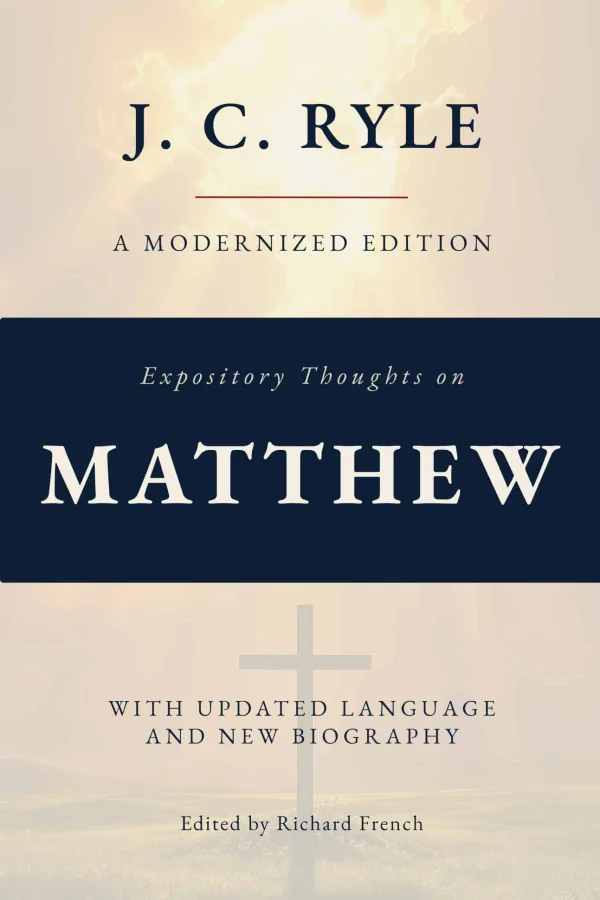
You might find yourself asking whether you really want what Jesus calls blessed. The beatitudes confront self-reliance, pride, vengefulness, divided loyalties, and the hunger for approval, and there is no shame in admitting that. Jesus himself embodies each blessing, so the portrait of the disciple is first a portrait of Christ. These themes carry forward into the "You have heard that it was said" sayings of Matthew 5:21-48, where this character works out in daily choices. For readers wanting to trace this development across the Sermon, J. C. Ryle's Expository Thoughts on the Gospels examines each passage in its immediate context.
Common Misreadings of the Beatitudes
Several common readings distort Jesus' meaning.
- Grace first: the beatitudes describe what grace produces, so they work as a portrait and never as a ladder for earning favor
- Gentle strength: meekness is strength yielded to God, not weakness
- Righteous suffering: the blessing rests on persecution "for righteousness' sake," with no license for provoking offense
- Kingdom rewards: the promises are rooted in God's Kingdom, not a guarantee of earthly prosperity
What J. C. Ryle Says About Christ's Humble Disciples
Commenting on the chapter just before the beatitudes, Ryle notices that Jesus chose the poorest and humblest men as his first disciples, a pattern that anticipates "blessed are the poor in spirit."
The religion of our Lord Jesus Christ was not intended for the rich and learned alone. It was intended for all the world,, and the majority of all the world will always be the poor. Poverty and ignorance of books excluded thousands from the notice of the boastful philosophers of the heathen world. They exclude no one from the highest place in the service of Christ. Is a man humble ? Does he feel his sins ? Is he willing to hear Christ's voice and follow Him ? If this be so, he may be the poorest of the poor, but he shall be found as high as any in the kingdom of heaven. Intellect and money are worth nothing without grace.
J. C. Ryle, Expository Thoughts on Matthew, on Matthew 4:12-25 (modernized edition).
Ryle draws out that Christ's Kingdom welcomes those who feel their need, not those with impressive credentials. His commentary also treats repentance as a real change of heart about sin, which connects directly to the mourning Jesus blesses in the very next chapter.
Why This Passage Matters
The beatitudes define blessing by God's favor, which frees believers from measuring their lives by comfort or success. Readers facing grief, opposition, or a sense of spiritual emptiness find that God's promises meet them exactly there. The passage holds grace and discipleship together: the Kingdom is a gift received by the poor in spirit, and it produces mercy, purity, and peacemaking in those who receive it.
Conclusion
The beatitudes in Matthew 5:3-12 declare God's favor on humble, dependent, merciful, and faithful disciples. The repeated Kingdom promise frames them as one portrait of life under Christ's reign, not eight separate paths. Whatever you carry into this passage, whether weariness, grief, or honest uncertainty, you are invited to come to Christ empty-handed. The comfort, mercy, and reward he promises are secure, and he welcomes you as you are today. To continue through the rest of Jesus' sermon, return to Sermon on the Mount Explained: A Verse-by-Verse Guide. For a deeper passage-by-passage exploration, see J. C. Ryle's Expository Thoughts on the Gospels: Matthew (modernized edition) and the Gospel study workbooks.