It joins "peace" with "to make," so peace becomes a work disciples do, not a mood they happen to feel. Many readers hear "blessed are the peacemakers" as praise for calm, easygoing people who avoid arguments. Jesus' first hearers lived under Roman occupation and in an honor culture full of feuds, so they heard something far more demanding.
A peacemaker is not simply someone who avoids conflict to keep things quiet. It specifically describes a disciple who takes initiative to reconcile broken relationships, following the pattern of Christ's own work of reconciliation. This article explains what a peacemaker is, how the saying fits within the Beatitudes, what "called children of God" means, and why peace with God has to come first. For the whole series, start with Sermon on the Mount Explained: A Verse-by-Verse Guide.
Quick Answer: "Blessed are the peacemakers" (WEB Matthew 5:9) is Jesus' seventh Beatitude. It declares God's favor on disciples who actively work to reconcile people to one another and, above all, to God. Peacemakers are called children of God because they bear the family likeness of the Father and of Christ, who made peace through the blood of his cross.
Definition: The peacemaker saying in the Gospels (Matthew 5:9) represents Jesus' declaration that disciples who actively work to reconcile people, rather than merely avoid conflict, are recognized as God's own children.
Key Scripture: "Blessed are the peacemakers, for they shall be called children of God." (WEB Matthew 5:9)
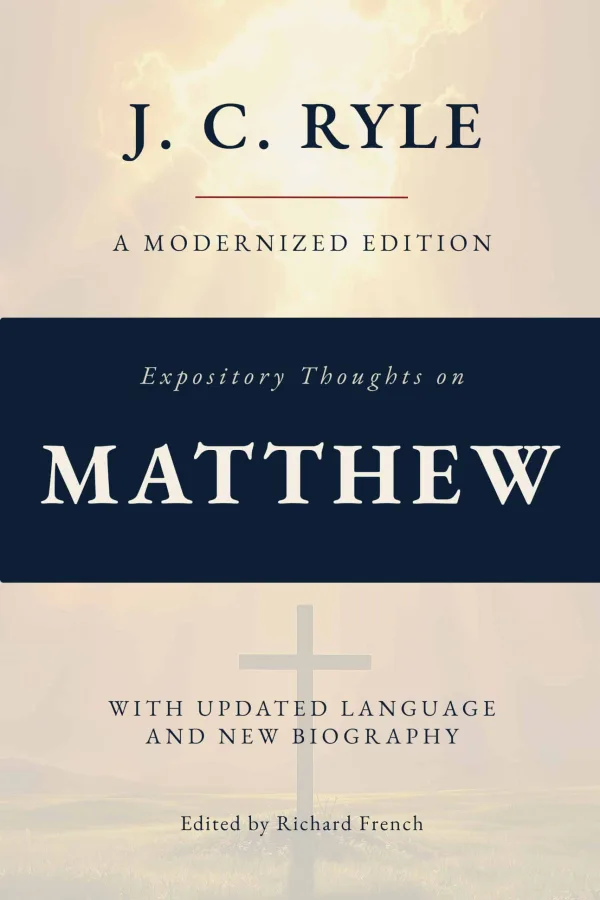
Key Evidence: As J. C. Ryle writes, "He means those who use all their influence to promote peace and love on earth, in private and in public, at home and abroad" (Expository Thoughts on Matthew, on Matthew 5:1-12).
Context: The saying grows out of the earlier Beatitudes of humility, mercy, and purity of heart, and comes just before the Beatitude on persecution, so peacemaking is costly work.
This Beatitude exposes a passive peace that merely keeps quiet and a true peace that restores what sin has broken. It functions as the hinge between the inward character described in the first six Beatitudes and the opposition promised in the eighth. Genuine peacemaking flows outward from a heart already humbled before God. It's okay if this feels like a high calling; faithful readers have wrestled with it for centuries. The sections below look at the Greek word, the place of this Beatitude among the others, what "children of God" means, and how it applies to ordinary conflicts today.
Key Takeaways
- Active labor: Eirēnopoios means "one who makes peace," describing work undertaken regardless of temperament.
- Rooted in grace: Peacemaking flows from the humble, merciful, pure-hearted character described earlier in the Beatitudes (WEB Matthew 5:3-8).
- Family likeness: "Children of God" points to resemblance to the Father, who loves even his enemies (WEB Matthew 5:44-45).
- Peace with God first: Christ made peace "through the blood of his cross" (WEB Colossians 1:20).
- Truth and peace together: James joins peacemaking to righteousness, not avoidance (WEB James 3:18).
What Does "Blessed Are the Peacemakers" Mean in Matthew 5:9?
Blessed are the peacemakers is the seventh Beatitude, and it follows the same pattern as the others: a blessing, a description, and a promised reward. "Blessed" translates makarios, meaning favored and happy in God's approval. This is God's own verdict on a life, not a compliment about personality.
A peacemaker takes initiative to restore broken relationships rather than waiting for the other person to act first. Jesus pictures this a few verses later: "First be reconciled to your brother, and then come and offer your gift" (WEB Matthew 5:23-24). That passage works out, in practical terms, what this Beatitude describes in summary. As Ryle observes, a peacemaker labors to make people love one another by teaching the gospel that says love fulfills the law.
A peacemaker in Matthew 5:9 is a disciple who actively works to reconcile people to one another and to God, following the pattern of Christ himself.
The Meaning of Eirēnopoios
The Greek word itself shows that Jesus describes peace as something made, not merely felt.

- Verb echo: Paul uses the verb form for Christ, "having made peace through the blood of his cross" (WEB Colossians 1:20).
- Hebrew depth: Behind the Greek stands shalom, a richer idea meaning wholeness and right relationship.
Peacemaking in the Context of the Beatitudes
The first four Beatitudes (5:3-6) describe a person's need before God: poverty of spirit, mourning over sin, meekness, and hunger for righteousness. Mercy, purity of heart, and peacemaking (5:7-9) then describe what flows out of that need. For the full picture of how these fit together, see our post on the Beatitudes in Matthew 5:3-12.
Peacemaking grows from someone who has already been humbled and has already received mercy. That is good news if you feel you are not naturally gifted at peace. The eighth Beatitude follows directly, warning that peacemakers should expect opposition rather than applause (WEB Matthew 5:10-12).
Both the first and eighth Beatitudes promise "the Kingdom of Heaven," framing the whole list as a description of kingdom people. Ryle treats these sayings as the foundation of the whole sermon.
In short, the seventh Beatitude shows that peacemaking is the fruit of a humbled, merciful heart that has first received God's mercy.
Peace in Jesus' World: Shalom and the Pax Romana
Jesus' Galilean hearers already carried strong ideas about peace before he ever opened his mouth.
- Messianic hope: Isaiah promised a "Prince of Peace" (WEB Isaiah 9:6), and a psalm urges, "Seek peace, and pursue it" (WEB Psalm 34:14).
- Roman peace: The Pax Romana was kept by the sword, and some Jews hoped for a militant deliverer instead.
Called Children of God: Why Blessed Are the Peacemakers Begins with Peace with God
The word "children" (huioi, literally "sons") carries the Hebrew idea that a son shares his father's character. Peacemakers display the Father's own nature because they share in his work. Jesus explains exactly what this means later in the sermon: "But I tell you, love your enemies, bless those who curse you, do good to those who hate you, and pray for those who mistreat you and persecute you, that you may be children of your Father who is in heaven. For he makes his sun to rise on the evil and the good, and sends rain on the just and the unjust." (WEB Matthew 5:44-45).
Christ himself is the supreme peacemaker. He reconciled sinners to God, "having made peace through the blood of his cross" (WEB Colossians 1:20). Human peacemakers resemble the Son and point others toward his finished work rather than toward their own goodwill.
"Shall be called" carries both a present and a future side. God owns peacemakers as his children now, and he will declare it fully at the last day. As Ryle puts it, peacemakers do the very work the Son of God began at his first coming and will finish when he returns.
Peacemakers are called children of God because they share the Father's character, and their work begins with the peace Christ made at the cross.
Why Blessed Are the Peacemakers Matters for Christians Today
Maybe you have avoided a hard conversation with a relative for years and called it "keeping the peace." Blessed are the peacemakers invites something braver and gentler at once: practical steps rather than good intentions. Go first to the person you have wronged or who has wronged you (WEB Matthew 5:23-24; compare 18:15). Refuse to spread gossip. Pray for your enemies rather than merely tolerating them (WEB Matthew 5:44). Point others, whenever you can, to the peace Christ offers.
A peace-keeper preserves surface calm by avoiding hard conversations. A peacemaker steps into conflict with truth and love to bring real reconciliation. "Now the fruit of righteousness is sown in peace by those who make peace" (WEB James 3:18), which guards against mistaking silence for virtue.
Peacemakers are blessed whatever the outcome, since some people refuse reconciliation no matter what is offered. God measures faithfulness, not results. For readers wanting to trace this theme across the whole sermon, J. C. Ryle's Expository Thoughts on the Gospels works through each passage in context.
Christian peacemaking is costly, truthful, and gospel-centered work that addresses conflict in order to heal it.
Peacemaking and Common Misreadings
Several popular readings shrink this Beatitude down to something smaller than Jesus intended.
- Peace at any price: James 3:18 ties peace to righteousness, so peacemakers address sin honestly rather than ignoring it.
- Personality: Peacemaking is labor, and an easygoing temperament alone falls short of the calling.
- Political program: The text describes the character of disciples and endorses no particular party or policy.
- Results-based thinking: Some refuse reconciliation, and the peacemaker remains blessed regardless.
What J. C. Ryle Says About Matthew 5:9
Ryle sees peacemaking reaching into every corner of life, including the difficult relationships.
J. C. Ryle, Expository Thoughts on Matthew, on Matthew 5:1-12 (modernized edition).
Ryle sees peacemaking as work that touches home, church, and public life together, not a private virtue practiced only with family. He anchors it firmly in the gospel itself, tying it to Christ's own mission from his first coming to his return. That framing keeps the Beatitude from shrinking into a mere personality trait.
Why This Passage Matters
Matthew 5:9 shows that God's children are recognized by a family likeness to the Prince of Peace. In a divided age, believers are called to take the first step toward reconciliation, at home and in the church. Grace comes first: those reconciled to God through Christ's cross become carriers of that same peace to others.
Conclusion
Blessed are the peacemakers honors disciples who actively make peace rather than simply avoid conflict. They reconcile people to one another and point them to peace with God, bearing the likeness of both the Father and the Son. If you feel unequal to that calling, take heart: you start where Jesus starts, with peace you have already received at the cross. Then, when the Spirit prompts you, go first to the brother or sister you need to reconcile with, trusting the Father's blessing whatever the result. Return to the Sermon on the Mount Explained: A Verse-by-Verse Guide for the next passage in this series. For a deeper passage-by-passage exploration, see J. C. Ryle's Expository Thoughts on the Gospels (modernized edition) and the Gospel study workbooks.