Zacchaeus climbs a tree to see a man he has only heard about, and that small, undignified act opens one of the most loved stories in the Gospels. Jesus is passing through Jericho on his final road to Jerusalem, and a rich man in a tree is the last person he stops for in the travel narrative that begins at Luke 9:51.
Most people remember Zacchaeus as the "wee little man" of a children's song. Luke presents him as something more serious: a despised chief tax collector whose conversion answers the question the disciples had just asked, "Then who can be saved?" (WEB Luke 18:26). The Zacchaeus story shows how Jesus seeks and saves a man everyone else had written off.
Maybe you have wondered whether anyone could be too far gone for Jesus to bother with. This passage answers that honestly. We will look at four things: who tax collectors were, why Zacchaeus climbed the sycamore tree, what Jesus meant by "today, salvation has come to this house," and why Luke 19:10 works as the central verse of Luke's whole Gospel. This article is part of the Famous Gospel Passages series here at Gospels Explained.
Quick Answer: The story of Zacchaeus in Luke 19:1-10 recounts a rich chief tax collector in Jericho whom Jesus sought, called by name, and welcomed into fellowship. Zacchaeus responded with joyful repentance and generous restitution. Jesus declared that salvation had come to his house, because the Son of Man came to seek and save the lost.
Definition: The story of Zacchaeus in the Gospels represents Jesus' deliberate pursuit of a despised, wealthy outsider, showing that repentance and covenant belonging depend on grace rather than social standing.
Key Scripture: "For the Son of Man came to seek and to save that which was lost." (WEB Luke 19:10)
Key Evidence: As J. C. Ryle writes, "We learn, firstly, from these verses, that no one is too bad to be saved, or beyond the power of Christ's grace." (Expository Thoughts on Luke, on Luke 19:1-10).
Context: Luke places this scene right after a rich ruler walks away sad (WEB Luke 18:18-25), making Zacchaeus living proof that "But he said, The things which are impossible with men are possible with God." (WEB Luke 18:27).
This passage serves as the hinge between two questions: whether the rich can be saved, and what Jesus actually came to do. It pairs a joyful convert with a grieving ruler just one chapter apart, showing that salvation is never a matter of willpower or wealth. The implication for believers is direct: no social label, occupation, or past makes a person unreachable by Christ. The sections below walk through who Zacchaeus was, why the tree mattered, what his pledge of restitution reveals, and why verse 10 summarizes Luke's Gospel.
Key Takeaways
- Christ's initiative: Jesus calls Zacchaeus by name and says "today I must stay at your house" (WEB Luke 19:5), using language Luke reserves for God's saving purpose.
- Social outcast: Tax collectors were resented as overchargers and agents of Rome, grouped with "sinners" in the public mind (WEB Luke 5:30; 15:1).
- Joyful reception: Zacchaeus "received him joyfully" (WEB Luke 19:6), a response that fits the gift of grace.
- Visible repentance: His fourfold restitution goes beyond what the law required for a voluntary confession (WEB Leviticus 6:5).
- Central verse: Luke 19:10 states the mission of Jesus and the theme of Luke's entire Gospel.
What Does the Bible Say About Zacchaeus?
Zacchaeus enters the text with two blunt facts: "He was a chief tax collector, and he was rich." (WEB Luke 19:2). The story then moves in five short beats. Zacchaeus seeks to see Jesus (WEB Luke 19:3). Jesus looks up, calls him by name, and invites himself to his house (WEB Luke 19:5). The crowd grumbles (WEB Luke 19:7). Zacchaeus pledges generosity and restitution (WEB Luke 19:8). Jesus then pronounces salvation (WEB Luke 19:9-10).
Notice who moves first. Zacchaeus seeks to see Jesus, but Jesus has already come seeking him. The word sēmeron, "today," stresses that grace arrives without delay. The story of Zacchaeus in Luke 19:1-10 shows that salvation begins with Christ's call and flows into joyful, costly repentance.
Ryle sees the same order of grace in this very scene: "Unasked, our Lord stops and speaks to Zaccheus. Unasked, He offers Himself to be a guest in the house of a sinner." (J. C. Ryle, Expository Thoughts on Luke, on Luke 19:1-10). For more on how Jesus' teaching reaches the heart, see the Gospels Explained post on Jesus' teaching on the heart behind the law.
Why He Climbed the Sycamore Tree
Luke gives a plain reason: the crowd was large and Zacchaeus was short (WEB Luke 19:3-4).

- Lost dignity: A wealthy adult man running ahead and climbing a tree looked undignified for his position.
- Real urgency: His willingness to look foolish shows his desire to see Jesus was genuine.
- Honest restraint: Luke never tells us what motivated that desire, and it is wise not to guess beyond what the text gives us.
Understanding Tax Collectors and Jericho in Luke 19
Jericho's steady traffic made it a lucrative post for customs officials, and Rome often contracted out provincial taxes and tolls rather than collecting them directly.
Pious Jews saw tax collectors as collaborators with the occupying power, and their regular contact with Gentiles and money raised concerns about ritual purity. A chief collector like Zacchaeus would have been resented more than most. That is the social distance Jesus crosses when he invites himself to dinner.
The crowd's complaint is specific: "He has gone in to lodge with a man who is a sinner." (WEB Luke 19:7). It echoes an earlier complaint in Luke's Gospel: "This man welcomes sinners, and eats with them." (WEB Luke 15:2). Jesus' choice of this man's house was a public act of acceptance. For the earlier scene behind that remark, see the Gospels Explained post on Jesus' table fellowship with outcasts.
The Rich Ruler and Zacchaeus Side by Side
Luke places two rich men a chapter apart to answer one question: can the wealthy be saved? The ruler hears the call to sell all and "became very sad" (WEB Luke 18:23), prompting Jesus' image of a camel passing through a needle's eye (WEB Luke 18:25). Zacchaeus instead gladly gives half to the poor. What is impossible with men is possible with God (WEB Luke 18:27).
"Today Salvation Has Come to This House"
Zacchaeus makes his pledge in public: "Behold, Lord, half of my goods I give to the poor. If I have wrongfully exacted anything of anyone, I restore four times as much." (WEB Luke 19:8). He now addresses Jesus as "Lord," and the verb behind "restore," apodidōmi, is a term of repayment, not mere apology.
Jesus answers with a verdict: "Today, salvation has come to this house, because he also is a son of Abraham." (WEB Luke 19:9). The word sōtēria means deliverance, and Jesus restores to the covenant family a man his neighbors had already shut out. His words declare Zacchaeus a true son of Abraham, marked by repentance and faith rather than reputation.
Look at the order: Jesus calls, Zacchaeus receives him joyfully, and only then does the generosity follow. The fruit responds to grace already given. Interpreters do debate the present tense verbs in verse 8, whether they describe a resolution made on the spot or a habitual practice. Most, pointing to the crowd's complaint and Jesus' "today," read them as a decision made in that moment. Faithful readers have weighed this question for centuries, and it is fine to hold your view loosely.
Restitution Under the Law
Zacchaeus measures his repayment against the Old Testament, and he exceeds it. Leviticus 6:5 required a person who confessed wrongdoing to restore the property plus a fifth. Exodus 22:1 and David's own verdict in 2 Samuel 12:6 set a stricter measure for theft, namely fourfold repayment. Zacchaeus applies that strictest standard to himself, freely and in public.
Luke 19:10 and Why the Zacchaeus Story Matters Today
The Zacchaeus story reaches its summary line in Luke 19:10: "For the Son of Man came to seek and to save that which was lost." (WEB Luke 19:10). This verse echoes God's own promise in Ezekiel 34:16, "I will seek that which was lost" (WEB Ezekiel 34:16), and Jesus claims that shepherd's work as his own.
It closes the long travel narrative that began at Luke 9:51, and the parable of the minas follows immediately as Jesus nears Jerusalem (WEB Luke 19:11), with the cross now in view.
Perhaps you have felt too compromised, too tangled in old choices, to expect Jesus to look up and call your name. This story says he came for precisely such people. It invites us to let Jesus into the "house" of daily life, to let repentance reach money, debts, and people we have wronged, and to welcome the sinners Jesus welcomes rather than join the crowd's grumbling.
A few clarifications help here. Salvation is received as a gift, with generosity as its fruit rather than its price. Jesus' acceptance leads to repentance and does not overlook sin. The passage condemns Zacchaeus' wrongs without condemning wealth itself.
What J. C. Ryle Says About Zacchaeus and Tax Collectors
We learn, firstly, from these verses, that no one is too bad to be saved, or beyond the power of Christ's grace. We are told of a wealthy publican becoming a disciple of Christ. A more unlikely event we cannot well imagine! ... We see a covetous tax-gatherer transformed into a liberal Christian! ... Hospitals discharge many cases as incurable. But there are no incurable cases under the Gospel. Any sinner may be healed, if he will only come to Christ.
J. C. Ryle, Expository Thoughts on Luke, on Luke 19:1-10 (modernized edition).
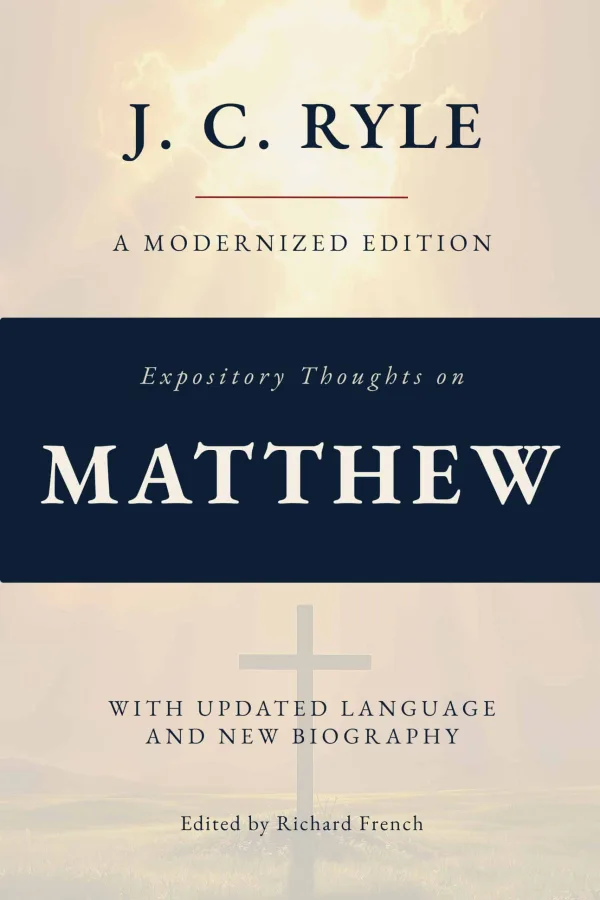
Ryle's point is plain: Christ's grace can reach the most compromised heart, so no one is beyond hope. The same Lord who turned a covetous tax collector at Jericho into a generous disciple still calls sinners today. For readers who want to trace this theme passage by passage, J. C. Ryle's Expository Thoughts on the Gospels walks through each occurrence in its own setting.
Why This Passage Matters
The Zacchaeus account assures believers that Christ takes the first step toward the lost. It shows that true faith produces practical change in how we handle money and treat people. The church is summoned to rejoice when sinners come home and to welcome them gladly, rather than grumble at the company Jesus keeps. Taken together, the passage presents the heart of the Gospel: grace that seeks, saves, and changes lives.
Conclusion
Zacchaeus, a despised and wealthy chief tax collector, was sought and named by Jesus before he had done anything to deserve it. He received Jesus with joy and showed his repentance through generous restitution. Jesus declared him a son of Abraham and stated, in Luke 19:10, the whole purpose of his coming.
If you have been standing at the edge of the crowd, unsure you belong, hear this: Jesus is looking for you, too. You might come down from your tree as Zacchaeus did, receive him gladly, and let him into every room of your life. For a deeper passage-by-passage exploration of Luke's Gospel, see J. C. Ryle's Expository Thoughts on the Gospels (modernized edition) and the Gospel study workbooks, along with other posts in our Famous Gospel Passages series.