In Luke's Gospel, a disciple makes a simple request: "Lord, teach us to pray, just as John also taught his disciples" (WEB Luke 11:1). Understanding the Lord's Prayer meaning starts with seeing it as Jesus' own pattern, given to real people who needed to know how to approach God.
Many believers have prayed these words since childhood, sometimes so often that the heart drifts while the lips keep moving. Maybe you have reached "Amen" at a church service and realized you could not recall a single line. It's okay to admit that familiar words can grow hollow with repetition. Jesus names that temptation directly in the verses just before he gives the prayer, rather than assuming his hearers are above it.
The Lord's Prayer is a pattern that shapes both what disciples pray and how they think about God. This article walks through Matthew 6:9-13 line by line, in its setting after Jesus' warnings in Matthew 6:5-8, and compares Luke's shorter version along with the closing doxology. For the full context of this teaching, see the series overview, Sermon on the Mount Explained: A Verse-by-Verse Guide.
Quick Answer: The Lord's Prayer is Jesus' model for prayer in Matthew 6:9-13. It teaches disciples to approach God as their Father, first asking for his name to be honored, his Kingdom to come, and his will to be done, then asking for daily bread, forgiveness, and rescue from temptation and the evil one.
Definition: The Lord's Prayer in the Gospels represents Jesus' pattern for prayer, teaching disciples to seek God's glory before bringing their own daily needs before him.
Key Scripture: "Our Father in heaven, may your name be kept holy." (WEB Matthew 6:9)
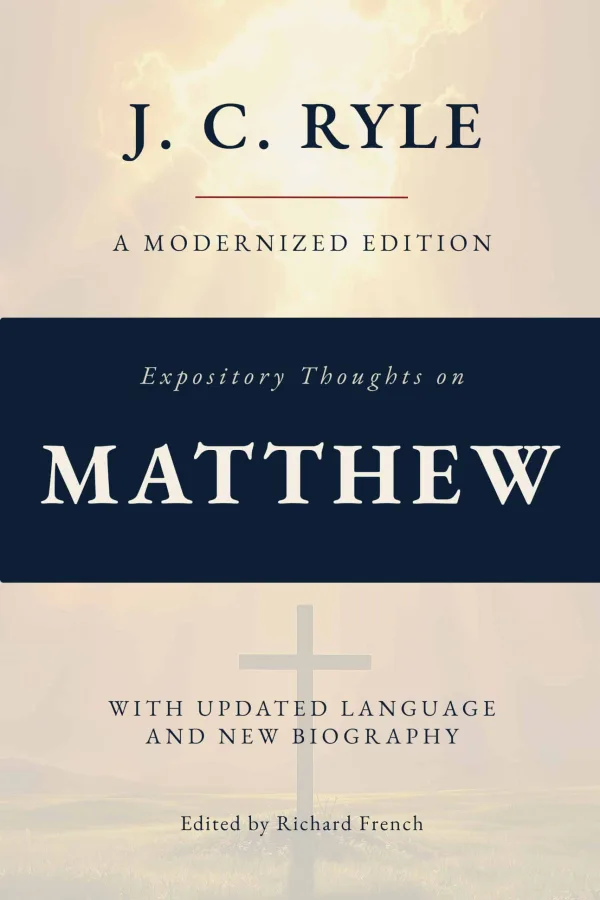
Key Evidence: As J. C. Ryle writes of the prayer not to be brought into temptation, "It teaches us that we are liable, at all times, to be led astray, and fall." (Expository Thoughts on Matthew, on Matthew 6:9-15).
Context: Jesus introduces the prayer with "Pray like this," marking it as both a prayer to pray and a pattern for all prayer.
This prayer functions as both an invitation and a template. It invites disciples into the same trust Jesus himself had toward the Father, while giving them a structure for every later prayer. Taken together, the petitions teach dependence: God's glory comes first, and our daily need for bread, pardon, and protection follows. The sections below walk through the context, each petition, and the questions readers often raise about Luke's version and the closing doxology.
Key Takeaways
- Father: Prayer is addressed to a Father who "knows what things you need before you ask him" (WEB Matthew 6:8).
- God first: The first three petitions concern God's name, Kingdom, and will.
- Daily dependence: "Daily bread" asks for needed provision one day at a time, recalling the manna of Exodus 16.
- Forgiveness:
- Doxology: The closing praise appears in the WEB but is absent from the earliest manuscripts and from Luke.
How Not to Pray: The Context of Matthew 6:5-8
The Lord's Prayer is the positive example that follows two warnings Jesus gives about prayer. Matthew 6:1-18 treats three acts of piety in turn: giving, prayer, and fasting. Each follows the same pattern. Do it before the Father "who sees in secret," and he will reward you. The surrounding practices are explained elsewhere in the series, including the posts on giving in Matthew 6:1-4 and fasting in Matthew 6:16-18.
Hypocrites who pray in public places to be noticed receive the first warning (Matthew 6:5). Jesus tells his disciples instead to pray to "your Father who is in secret" (WEB Matthew 6:6). Public prayer is not wrong in itself. The point is that the heart's audience must be the Father, not the crowd.
A second warning targets empty wordiness: "In praying, don't use vain repetitions, as the Gentiles do; for they think that they will be heard for their much speaking" (WEB Matthew 6:7). The Greek verb behind "vain repetitions" suggests empty babbling, reflecting the pagan idea that gods could be moved by piling up formulas. Verse 8 then explains why the prayer that follows can be so short: the Father already knows our needs. Matthew 6:5-8 teaches that true prayer is offered sincerely to a Father who sees in secret and knows what his children need.

Lord's Prayer Meaning: Our Father, His Name, His Kingdom, His Will
The Lord's Prayer meaning begins with its address. "Our Father in heaven" joins family closeness with reverence for God's majesty. Israel already knew God this way: "Like a father has compassion on his children, so the LORD has compassion on those who fear him" (WEB Psalm 103:13). The word "Our" makes this a family prayer from the first syllable.
The prayer opens with three petitions about God before turning to our needs. Only after asking for God's glory does it speak of the one who prays, an order Jesus echoes in Matthew 6:33.
Your Name, Your Kingdom, Your Will (Matthew 6:9-10)
The first three petitions ask God to act for his own glory, as in Ezekiel 36:23, where he promises to sanctify his great name.
- Name kept holy: The Greek verb is a passive request asking God himself to cause his name, his revealed character, to be honored.
- Kingdom come: Basileia means kingly rule; compare "seek first God's Kingdom" (WEB Matthew 6:33).
- Will done: Jesus prays this way himself in Gethsemane (WEB Matthew 26:39, 42).
Bread, Forgiveness, and Deliverance: Praying for Our Needs
The second half of the prayer brings our real needs to the Father: provision, pardon, and protection. Israel's manna in Exodus 16 shows "daily bread" as a concrete request, and Jesus' parable of the unforgiving servant (Matthew 18:21-35) shows "debt" as a familiar picture of sin.
These same themes continue a few verses later, in Jesus' teaching on treasure and anxiety (Matthew 6:19-34). Two clarifications are worth naming. "Daily bread" is not a promise of material prosperity, and our forgiving others is the evidence that we have already received mercy. The Lord's Prayer teaches daily dependence: disciples ask their Father for today's bread, today's pardon, and today's protection.
Daily Bread and Forgiven Debts (Matthew 6:11-12)
These two petitions cover the needs of the body and of the soul together.
- Daily bread: The underlying Greek word is rare, and its exact meaning is debated among scholars, ranging from "daily" to "for the coming day." It recalls the manna of Exodus 16.
- Debts: The word pictures sin as something owed. Jesus explains the link between receiving and giving forgiveness in Matthew 6:14-15 and in the parable of Matthew 18:21-35.
Temptation and the Evil One (Matthew 6:13)
You might find yourself asking whether "lead us not into temptation" means God tempts people. Faithful readers have wrestled with this line for centuries. This final petition expresses honest humility about our own weakness rather than confidence in our own strength.
- Testing: The Greek word can mean testing or temptation. God "tempts no one" (WEB James 1:13), so this petition fits alongside "Watch and pray, that you don't enter into temptation" (WEB Matthew 26:41).
- Evil one: The underlying Greek word may mean "evil" generally or "the evil one" as a person. The WEB reads it as a person, which connects this petition to Jesus' own wilderness temptation.
J. C. Ryle's commentary on these verses treats the last two requests as a pair: one a petition about our weakness, the other a petition about our dangers.
Luke's Shorter Version, the Doxology, and the Lord's Prayer Meaning Today
The Lord's Prayer appears twice in the Gospels, in Matthew 6:9-13 and in Luke 11:2-4. In Luke, the prayer answers a disciple's direct request (Luke 11:1), and the earliest manuscripts give a shorter form, with a simple "Father" and five petitions. Luke reads, "Forgive us our sins, for we ourselves also forgive everyone who is indebted to us" (WEB Luke 11:4).
The two forms of the prayer agree in substance even where their wording differs.
It's worth addressing the ending directly. The WEB closes Matthew 6:13 with, "For yours is the Kingdom, the power, and the glory forever. Amen." These words are absent from the earliest manuscripts of Matthew and from Luke's version entirely. The praise echoes Scripture, such as 1 Chronicles 29:11, and Christians still pray it in church today. No teaching of the faith depends on whether these words were original to Jesus' speech, so you can pray them with a clear conscience.
What J. C. Ryle Says About Temptation and the Evil One
Writing on these very petitions, Ryle notices how constantly every believer is exposed to sin and evil, which sheds light on why Jesus teaches his disciples to ask for deliverance from it.
It teaches us that we are liable, at all times, to be led astray, and fall. It instructs us to confess our infirmity, and beseech God to hold us up, and not allow us to run into sin. ... We confess that, so long as we are in the body, we are constantly seeing, hearing, and feeling the presence of evil. It is about us, and within us, and around us on every side. And we entreat Him, who alone can preserve us, to be continually delivering us from its power.
J. C. Ryle, Expository Thoughts on Matthew, on Matthew 6:9-15 (modernized edition).
Ryle's point reframes these petitions as humble, needed daily requests rather than a sign of weak faith. The disciple who prays "deliver us from the evil one" admits that evil presses on every side and asks the only One who can preserve him to keep him from its power.
Why This Passage Matters
The Lord's Prayer shapes what disciples want, placing God's honor first and their daily needs second. It gives anxious and weary believers words to pray when their own words run out. And it reflects the good news at the heart of the Gospels: through Jesus, sinners may call God "Father," receive forgiveness of real debts, and trust him for rescue.
Conclusion
The Lord's Prayer meaning centers on children trusting a Father who already knows their needs. If these words have grown worn for you, there is no shame in that, and there is a simple way back. Try praying the prayer slowly this week, one line at a time, letting each petition open into your own requests. When you reach verse 12, pause and ask honestly whether there is a grudge you are ready to hand over. Your Father is listening, and he is glad you came.
For a deeper passage-by-passage exploration, see J. C. Ryle's Expository Thoughts on the Gospels: Matthew (modernized edition) and the accompanying Matthew study workbook. You can also return to the series overview, Sermon on the Mount Explained: A Verse-by-Verse Guide, to continue with the next passage on Matthew 6:14-18.