Jesus' first hearers already knew the seventh commandment by heart. What startled them was a Teacher who said "but I tell you" and carried that commandment inward, into the place where lust in the heart begins (WEB Matthew 5:27-28). This teaching is not about condemning temptation itself. It specifically names the deliberate choice to desire what belongs to another.
Maybe you've wondered whether a single glance makes you guilty of adultery. Faithful readers have wrestled with that question for centuries. This passage is the second of six "You have heard that it was said" teachings in Matthew 5:21-48. It follows the teaching on anger and murder and comes before the teaching on divorce. Together these sections show how Jesus traces outward sins back to the heart that produces them. For the wider teaching this passage belongs to, see Sermon on the Mount Explained: A Verse-by-Verse Guide.
It's okay if this teaching feels searching. Few passages in the Sermon press so close to the private places of the heart. The sections below look at what Jesus means by looking "to lust," why the eye and hand sayings are hyperbole, and how this passage leads to humility, vigilance, and grace.
Quick Answer: Lust in the heart, in Jesus' teaching in Matthew 5:28, is the deliberate looking at a woman with the purpose of desiring her. Jesus calls this adultery already committed in the heart. He shows that the seventh commandment reaches inward to the will and affections, and that every disciple needs Christ's mercy and a renewed heart.
Definition: The teaching on lust in the heart in the Gospels refers to the purposeful desiring of another person that Jesus identifies as adultery already committed within, even before any outward act takes place.
Key Scripture: "but I tell you that everyone who gazes at a woman to lust after her has committed adultery with her already in his heart." (WEB Matthew 5:28)
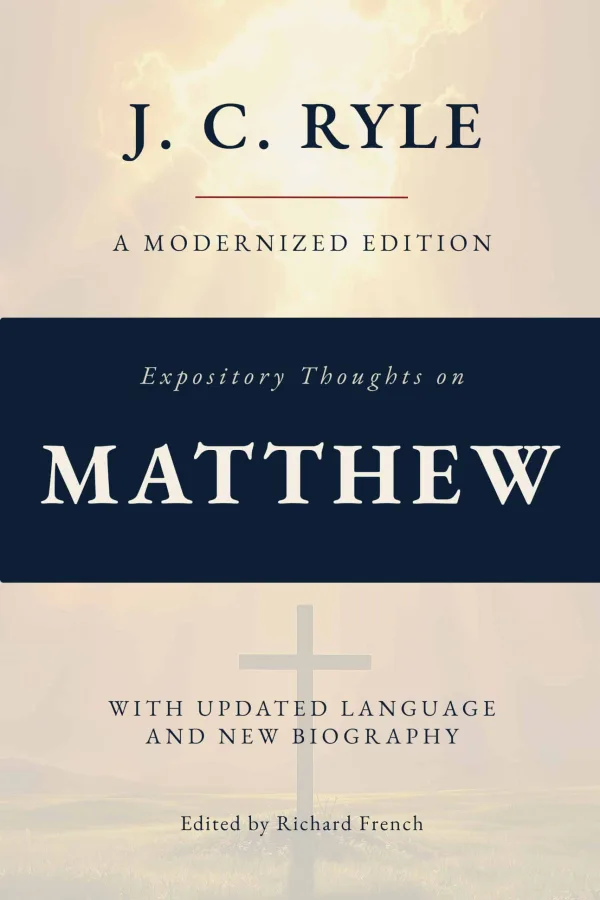
Key Evidence: As J. C. Ryle writes, "With him even a glance of the eye may be a sin." (Expository Thoughts on Matthew, on Matthew 5:21-37)
Context: Jesus interprets and upholds the seventh commandment with his own authority, revealing its full spiritual intent (WEB Matthew 5:17).
This passage serves to close the gap between outward religion and inward holiness. It functions as one of six examples in which Jesus shows that the law was never meant to stop at behavior, but to shape the will and affections underneath it. The result is a standard no one meets by effort alone, which points every honest reader toward the mercy and renewal found only in Christ. The sections that follow examine Jesus' wording in verse 28, the meaning of the eye and hand sayings, the passage's biblical setting, and what it asks of believers today.
Key Takeaways
- Purposeful looking: The Greek phrase in verse 28 means looking "with a view to desiring." Jesus addresses lust that is welcomed and nurtured.
- The law's true depth: The tenth commandment already forbade coveting a neighbor's wife (WEB Deuteronomy 5:21).
- Hyperbole: The eye and hand sayings are deliberate exaggeration calling for decisive action against sin, never a call to self-harm.
- The heart as source: Sin springs from within (WEB Matthew 15:19).
- Grace for the struggling: Christ fulfills the law and gives a new heart.
What Does Jesus Mean by Lust in the Heart?
Lust in the heart, as Jesus defines it in Matthew 5:28, begins with a deliberate choice, not a fleeting glance. He opens with the commandment given at Sinai: "You have heard that it was said, ‘You shall not commit adultery;’" (WEB Matthew 5:27). His "but I tell you" does not cancel this command. It states the command's full intent, with the authority Jesus claimed earlier in the Sermon when he said he came to fulfill the law, not destroy it (WEB Matthew 5:17).
He continues, "but I tell you that everyone who gazes at a woman to lust after her has committed adultery with her already in his heart." (WEB Matthew 5:28). The word "gazes" describes a sustained, intentional look, not a passing notice.
Notice where Jesus places the weight. He holds the one who looks responsible, not the woman who is looked at. This protects her dignity and refuses to let blame shift onto her.
In Matthew 5:28, Jesus teaches that adultery begins in the heart the moment a person looks in order to desire someone who is not theirs.
Looking With a View to Desire
The grammar of verse 28 expresses purpose, and that distinction matters for anyone reading this passage honestly.

- Passing thought: A passing glance or the simple recognition of beauty is temptation met, not sin committed. Scripture reminds us that Jesus himself was tempted in every way (WEB Hebrews 4:15).
- Willful lust: Lingering, welcomed desire, chosen and nurtured, is the sin Jesus names here.
- Pastoral effect: This distinction spares believers false guilt while keeping Jesus' standard fully intact.
The Right Eye and the Right Hand: Fighting Sin Decisively
Jesus moves from diagnosis in verse 28 to a call for radical action in verses 29-30. The two sayings about the eye and the hand are built in parallel, giving them a memorable, almost proverbial weight for his hearers.
Jesus is not instructing anyone to harm the body. Removing an eye would leave the heart unchanged, since sin comes from within: "For out of the heart come evil thoughts, murders, adulteries, sexual sins, thefts, false testimony, and blasphemies." (WEB Matthew 15:19) Cutting off a hand could never touch the source. Jesus teaches decisive, deliberate removal of whatever leads us into sin, not physical mutilation.
Similar language appears in Matthew 18:8-9 and Mark 9:43-47, which suggests this was a teaching Jesus returned to more than once. The principle applies broadly. The "eye" and "hand" stand for whatever we treat as precious, whether a habit, a form of media, a friendship, or a setting, that in practice leads us toward sin.
The eye and hand sayings in Matthew 5:29-30 are hyperbole that teach believers to deal with sin decisively, whatever the cost.
"If your right eye causes you to stumble"
Jesus states the principle in full: "If your right eye causes you to stumble, pluck it out and throw it away from you. For it is more profitable for you that one of your members should perish, than for your whole body to be cast into Gehenna." (WEB Matthew 5:29)
- Gehenna: Named for the Valley of Hinnom, a site once connected with idolatry (WEB 2 Kings 23:10), the term shows how seriously Jesus treats the danger of unchecked lust.
Understanding Lust in the Heart in Its Biblical Setting
Lust in the heart was never a new concern Jesus introduced. It runs through the Old Testament long before the Sermon on the Mount. Proverbs warns, "Don't lust after her beauty in your heart, neither let her captivate you with her eyelids." (WEB Proverbs 6:25). Job made a similar commitment: "I made a covenant with my eyes." (WEB Job 31:1). Scripture even gives contrasting examples: David's sequence of seeing, desiring, and acting (WEB 2 Samuel 11:2-4) stands against Joseph's flight from temptation (WEB Genesis 39:7-12).
Marriage secured the stability of a whole household, so unfaithfulness harmed far more than two individuals. Jesus' original hearers already knew that God cared about the heart. What struck them was that Jesus spoke with personal authority and set a standard none of them could claim to have met.
These are worthwhile questions, though they don't change the passage's central force.
Jesus' teaching on lust fulfills the Ten Commandments, which already forbade coveting a neighbor's wife. For readers tracing this theme across the wider Sermon, The Beatitudes Explained: What Jesus Meant in Matthew 5:3-12 shows how the call to purity of heart appears from the Sermon's opening lines.
Why Jesus' Call to Purity Matters for Christians Today
This passage leaves every honest reader needing mercy. That recognition leads to repentance rather than despair.
Jesus calls for vigilance, not vague good intentions. Believers are asked to take concrete, decisive steps against whatever leads them into sin, following the same spirit as the eye and hand sayings. You might find yourself asking what that looks like in an ordinary week. It may mean changing a habit, closing an app, or telling a trusted friend the truth. This pursuit connects to the beatitude, "Blessed are the pure in heart, for they shall see God." (WEB Matthew 5:8), and to God's promise of a new heart in Ezekiel 36:26-27.
Christ fulfills the law for his people and renews their hearts by his Spirit. Willpower alone cannot produce the purity Jesus describes. The Gospel study workbooks at gospels-explained.com walk through how this theme of heart change develops across the Sermon on the Mount.
The cure for lust in the heart is a heart renewed by Christ's Spirit.
Common Misreadings to Avoid
A careful reading of this passage guards against several errors readers commonly make.
- Literalism: Taking the eye and hand sayings literally misses both the hyperbole and the fact that the heart, not the body part, is the source of sin.
- False guilt: Treating every attraction as adultery ignores the purpose clause built into verse 28.
- Blaming women and moralism: Jesus places responsibility on the one who looks, and his Sermon points finally to righteousness found in him, not in rule-keeping alone.
What J. C. Ryle Says About the Law and the Heart
Ryle addresses this territory directly in his comments on these verses, where Jesus expounds the seventh commandment.
Many supposed that they kept this part of God's law, if they did not actually commit adultery. The Lord Jesus teaches, that we may break it in our thoughts, hearts, and imaginations, even when our outward conduct is moral and correct. The God with whom we have to do looks far beyond actions. With him even a glance of the eye may be a sin. ... We must labor to crucify our flesh and put to death our members, to make any sacrifice and endure any bodily inconvenience rather than sin.
J. C. Ryle, Expository Thoughts on Matthew, on Matthew 5:21-37 (modernized edition).
Ryle's point fits our passage closely. The seventh commandment can be broken in the thoughts and imagination even when outward conduct looks correct, and Ryle reads the call to deal with the eye and the hand as a call to make any sacrifice rather than sin. He also teaches that seeing the strictness of God's law is what drives sinners to rest in Christ. Seen this way, the passage becomes a doorway to grace rather than a verdict against us.
Why This Passage Matters
This passage matters because God cares about the inner life as well as outward conduct. Believers today face constant visual temptation, and Jesus' words give both a serious standard and a gracious Savior. Repentance and decisive action flow from trust in Christ, who alone makes hearts pure, rather than from fear.
Conclusion
Jesus defines lust in the heart as purposeful desire, the deliberate choice to crave what belongs to another. He calls his people to fight that desire decisively, using the startling language of the eye and the hand, and he points them finally to himself for cleansing. If you feel the weight of this teaching, take heart. Resisted temptation is faithfulness, not failure, and Christ's mercy meets you wherever you honestly bring your struggle. For the wider teaching this passage belongs to, see Sermon on the Mount Explained: A Verse-by-Verse Guide. For a deeper passage-by-passage exploration, see J. C. Ryle's Expository Thoughts on the Gospels (modernized edition) and the Gospel study workbooks.