Maybe you have heard the golden rule so often that it feels like a greeting-card sentiment, easy to nod at and easy to forget. The name never appears in Scripture, though. Jesus' actual words in Matthew 7:12 begin with "therefore" and end with a sweeping claim: "for this is the law and the prophets" (WEB Matthew 7:12). That small word "therefore" matters more than most readers realize.
The golden rule is not a stand-alone ethical slogan that anyone could produce regardless of belief. It specifically describes how disciples treat others when they already live under a generous Father, and it closes the main body of the Sermon on the Mount, which runs from Matthew 5:3 through 7:12. The verses right before it make that clear.
This article walks through the meaning of Matthew 7:12, the "ask, seek, knock" teaching that leads into it (Matthew 7:7-11), the parallel saying in Luke 6:31, and how the positive shape of Jesus' command compares to similar sayings from the ancient world. For the full series, start with Sermon on the Mount Explained: A Verse-by-Verse Guide.
Quick Answer: The golden rule is Jesus' command in Matthew 7:12 to do for others whatever you would want them to do for you. Jesus calls it "the law and the prophets," a summary of the Old Testament's teaching on love for neighbor. It follows His promise that the Father gives good gifts to those who ask.
Definition: The golden rule in the Gospels represents Jesus' positive, active command to treat other people the way we ourselves would want to be treated, offered as a summary of the whole Old Testament ethic toward one's neighbor.
Key Scripture: "Therefore whatever you desire for men to do to you, you shall also do to them; for this is the law and the prophets." (WEB Matthew 7:12)
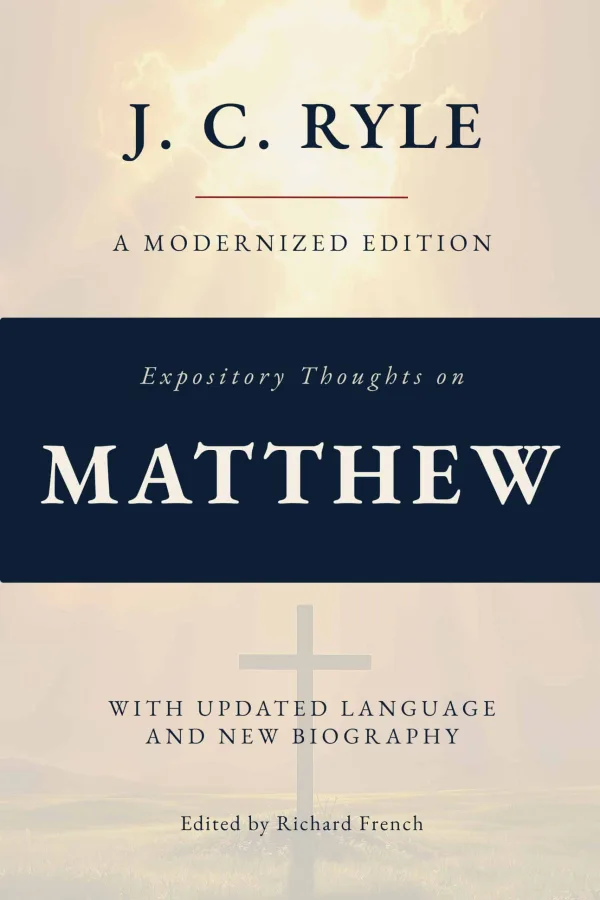
Key Evidence: As J. C. Ryle writes, the golden rule "sweeps the whole debateable ground with one mighty principle" (Expository Thoughts on Matthew, on Matthew 7:12-20).
Context: The phrase "the law and the prophets" in 7:12 echoes 5:17, and the two verses frame the sermon's central teaching.
This saying works as both summary and command. It gathers the Old Testament's instruction toward neighbors into one sentence, and it grows directly out of the promise that the Father gives good gifts to those who ask him. Generosity toward others is therefore an overflow of grace already received, not a burden laid on empty hands. The sections below trace that flow from the ask-seek-knock teaching, through Luke's version addressed to enemies, to ordinary Christian life.
Key Takeaways
- Positive command: Jesus tells disciples to actively do good, which requires initiative and imagination.
- Rooted in grace: The "therefore" ties the rule to the Father's good gifts in Matthew 7:11.
- Old Testament summary: "The law and the prophets" distills Leviticus 19:18 and the whole Old Testament ethic toward neighbors (see Matthew 22:39-40).
- Reaches enemies: Luke 6:31 sets the rule within Jesus' call to love enemies and give without expecting repayment.
- Sermon's capstone: The verse completes the frame that opens at Matthew 5:17.
What Is the Golden Rule in Matthew 7:12?
The golden rule is Jesus' one-sentence summary of how disciples treat other people: "Therefore whatever you desire for men to do to you, you shall also do to them; for this is the law and the prophets" (WEB Matthew 7:12). The command is active rather than passive. The verb is "do," and the measure is what we ourselves desire, from the Greek thelō, "to wish, desire." Jesus asks disciples to supply good, not merely to avoid wrong.
The word "therefore" (Greek oun) ties this verse to the promise of the Father's generosity toward those who ask him. We will look at that connection in the next section. For now, notice that the golden rule in Matthew 7:12 calls disciples to give others the good they would hope to receive, as an outflow of the Father's generosity and not as a technique for earning his favor.
"This Is the Law and the Prophets"
This closing phrase was standard shorthand for the whole Old Testament in Jesus' day.

- Frame: It repeats the phrase from Matthew 5:17, "I didn't come to destroy, but to fulfill," forming a bracket around the sermon's central teaching. See the series post on Matthew 5:13-20.
- Roots: Leviticus 19:18, "you shall love your neighbor as yourself," supplies the background.
- Echo: Matthew 22:39-40 and Galatians 5:14 use the same summary language later.
Ask, Seek, Knock: Why Matthew 7:12 Begins With "Therefore"
Matthew 7:7-11 is the direct lead-in to the golden rule, and it explains the "therefore" that opens verse 12. Jesus says, "Ask, and it will be given you. Seek, and you will find. Knock, and it will be opened for you" (WEB Matthew 7:7). He builds his argument from the smaller case to the larger one in verse 11: "If you then, being evil, know how to give good gifts to your children, how much more will your Father who is in heaven give good things to those who ask him?" (WEB Matthew 7:11). The main terms are agathos, "good," and domata, "gifts."
Perhaps you have felt that a command like verse 12 is simply too much, that you cannot keep giving to people who give little back. That feeling is common, and it is okay to admit it. Jesus does not leave the command hanging in the air. Disciples who receive good things from a generous Father become generous people, and the rule flows from grace received rather than willpower alone. Believers can give without fear of running dry, because they draw on the Father's supply rather than their own limited store.
The "ask, seek, knock" promise is the foundation of the golden rule, because people who receive good gifts from God are equipped to give good to others. For the surrounding teaching, see the series posts on judging others in Matthew 7:1-6 and the narrow gate that follows in Matthew 7:13-14.
Luke 6:31 and the Positive Form of the Rule
Luke records a parallel saying: "As you would like people to do to you, do exactly so to them" (WEB Luke 6:31). The word homoiōs means "likewise, in the same manner." Luke places this teaching inside Jesus' instruction to love enemies (Luke 6:27-36), right beside the call to lend without expecting repayment (Luke 6:34-35).
This setting matters. A command to treat others as you would want to be treated, with no mention of repayment, cuts against expecting something in return. For more on this teaching, see the series post on love for enemies in Matthew 5:43-48.
Luke 6:31 extends the golden rule to enemies and to people who can never repay.
Positive and Negative Forms
Similar sayings appear in other ancient sources, and most are phrased as prohibitions.
- Jesus' form: Jesus commands action. A person can satisfy a negative rule simply by avoiding harm, but the positive form requires stepping toward a hungry neighbor.
How Matthew and Luke Place the Saying
Interpreters agree on the meaning of the saying and differ mainly on its arrangement.
- Matthew: The saying works as a capstone summary, fitting his focus on Jesus as the one who fulfills the Old Testament.
- Luke: The saying works as a practical test of mercy toward outsiders.
- Harmony: Jesus may have taught this more than once, or each evangelist arranged a single teaching for his own purpose. Evangelical readers generally hold both accounts as reliable.
Why the Golden Rule Matters for Christians Today
The golden rule calls for active, imaginative goodness in families, churches, workplaces, and toward people we find difficult to love. You might ask what you would hope someone would do for you in a given situation, then do that for them. The rule exposes selective generosity, the habit of expecting mercy for ourselves while offering others strict justice.
A few guardrails keep this command in its proper place. It stands alongside the first commandment to love God (WEB Matthew 22:37-38) and the gospel itself, rather than replacing either one. It describes people who already live under grace, as Matthew 7:11 makes clear. Scripture and a renewed mind shape the desires that serve as the measure, so a parent may rightly refuse a child's request even while loving that child well. And Luke 6:35 calls for giving with no expectation of return.
Jesus fulfills the law and the prophets, and his people live out that fulfillment through love for neighbor. The golden rule is the practical shape of neighbor-love for people who know the Father's generosity. For readers wanting to trace how this theme develops across the Gospel narrative, J. C. Ryle's Expository Thoughts on the Gospels examines the surrounding passages in their immediate context.
What J. C. Ryle Says About the Golden Rule
Commenting on Matthew 7:12 itself, Ryle treats the verse as a general principle for every doubtful question between one person and another.
We are not to deal with others as others deal with us. This is mere selfishness and heathenism. We are to deal with others as we would like others to deal with us. This is real Christianity. ... It does not merely forbid all petty malice and revenge, all cheating and overreaching. It does much more. It settles a hundred difficult points, which in a world like this are continually arising between man and man. It prevents the necessity of laying down endless little rules for our conduct in specific cases. It sweeps the whole debateable ground with one mighty principle.
J. C. Ryle, Expository Thoughts on Matthew, on Matthew 7:12-20 (modernized edition).
Ryle's reading fits the positive shape of Jesus' command. The rule does more than forbid harm. It gives disciples one measure for countless ordinary decisions, so they need not wait for a separate rule for every case. Ryle also sets it against the habit of treating others as they treat us, the very reciprocity that Luke 6:31-35 overturns.
Why This Passage Matters
The golden rule gathers the Old Testament's call to love God's people and neighbors into one memorable command. Believers face it daily in ordinary decisions about time, money, patience, and speech. It flows from a generous Father and points to Jesus, who fulfills the law and the prophets on behalf of his disciples.
Conclusion
The golden rule in Matthew 7:12 commands active goodness, sums up the law and the prophets, and rests on the Father's good gifts promised in 7:7-11. Luke 6:31 carries that same command out to enemies and to those who can never repay us. If you feel short on patience or kindness today, take heart: you are invited to ask the Father for what you need, then give generously from what he supplies. Faithful readers have wrestled with how to live this verse for centuries, so there is no shame in starting small. For the rest of this teaching passage by passage, return to Sermon on the Mount Explained: A Verse-by-Verse Guide, and for a deeper verse-by-verse study see J. C. Ryle's Expository Thoughts on the Gospels: Matthew (modernized edition) and the accompanying Matthew study workbook.